In the days following the assassination of conservative commentator Charlie Kirk, social media erupted with a storm of reactions. Some mourned, others condemned and some, including teachers, shared opinions sparking outrage across the country.
These posts quickly drew attention not just for their content, but for who was posting them.
Should teachers, the people whom we trust to educate and guide the next generation, face harsher consequences for expressing controversial opinions?
The First Amendment of the U.S. Constitution states: “Congress shall make no law respecting an establishment of religion, or prohibiting the free exercise thereof; or abridging the freedom of speech, or of the press; or the right of the people peaceably to assemble, and to petition the Government for a redress of grievances.”
This right is one of the defining features of American democracy. It means every citizen, whether a teacher, politician or even celebrity, has the right to express their beliefs without government interference.
But here is where it becomes complicated: teachers often face a harsher spotlight.
They are expected to represent morality, integrity and neutrality, in and out of the classroom.
When a teacher expresses a strong political view online, the backlash can be severe, sometimes even resulting in suspension or termination.
This should not be the case.
Teachers are human beings before educators. They experience the same frustrations, fears and passions as anyone else.
Expecting them to be neutral 24/7 is not only unrealistic but unfair.
If a teacher expresses an opinion about a national tragedy, like the death of a controversial public figure, they are engaging in the same civil conversation all Americans have the right to participate in.
As long as their comments do not target or threaten students or promote hate, they should not face disproportionate consequences just because of their profession.
This conversation extends beyond education.
In September, late night host Jimmy Kimmel’s show on ABC was temporarily suspended after receiving backlash from conservative audiences. Kimmel’s jokes and commentary, which some found offensive, sparked nationwide debate about the limits of humor and political expression.
Although he is a celebrity and not a teacher, his situation mirrors the same struggle. How much freedom do public figures really have to express their opinions before it starts costing them their careers?
We live in a time when social media magnifies everything.
A quote that might have been forgotten a decade ago can now spread to millions within minutes. People can lose jobs, endorsements and reputations almost instantly.
We must be careful not to confuse accountability with suppression.
There is a difference between calling out genuinely harmful behavior and punishing someone for holding or expressing an unpopular opinion.
At Coppell High School, students learn about the Bill of Rights in government classes. We learn freedom of speech is a natural right, protected by the Constitution. But in practice, it often feels conditional and safe only when it aligns with public opinion.
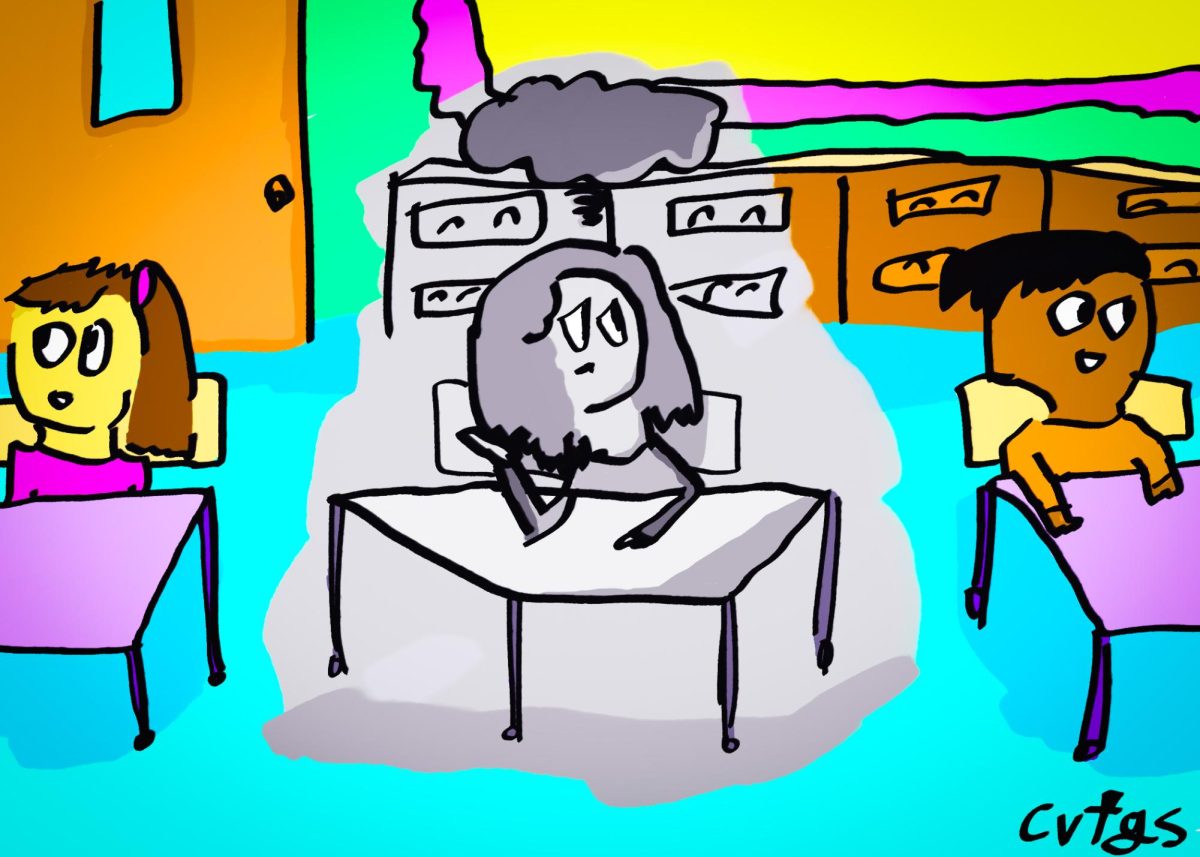
If a teacher supports a controversial policy, or a celebrity criticizes a political leader, they risk being canceled. This creates an atmosphere of fear, where people are forced to stay silent not because they have nothing to say, but because they are afraid to say it.
The irony is schools are supposed to be spaces that encourage critical thinking and open discussion.
How can we teach students to think freely if we punish teachers for doing the same? Freedom of speech is not about agreeing with everything that is said, it is about protecting the right to say it. The moment we start deciding whose opinions are acceptable, we weaken the very foundation of democracy.
There are, of course, exceptions.
Speech that incites violence, promotes discrimination or directly targets students or staff should not be tolerated. Professionalism matters, and educators have a responsibility to create a safe, respectful learning environment. But personal opinions expressed outside of school, especially on issues of national importance, should not be grounds for losing one’s career.
At its core, this debate is not about teachers or celebrities. It is about whether we truly believe in freedom of speech when it challenges our comfort zone. If free expression only applies to opinions we agree with, then it is not really freedom at all.
Teachers should be allowed to speak, to feel, react and have a voice in the world around them.
Their humanity does not make them less capable educators, but it makes them more relatable ones. Silencing them only teaches students that speaking up is not worth the risk.
Freedom of speech does not mean freedom from criticism, but it should mean freedom from disproportionate punishment. In a democracy, open dialogue or even uncomfortable dialogue is not the enemy. It is proof that freedom is still alive.
Follow @hoodaprisha1209 and @CHSCampusNews on X.