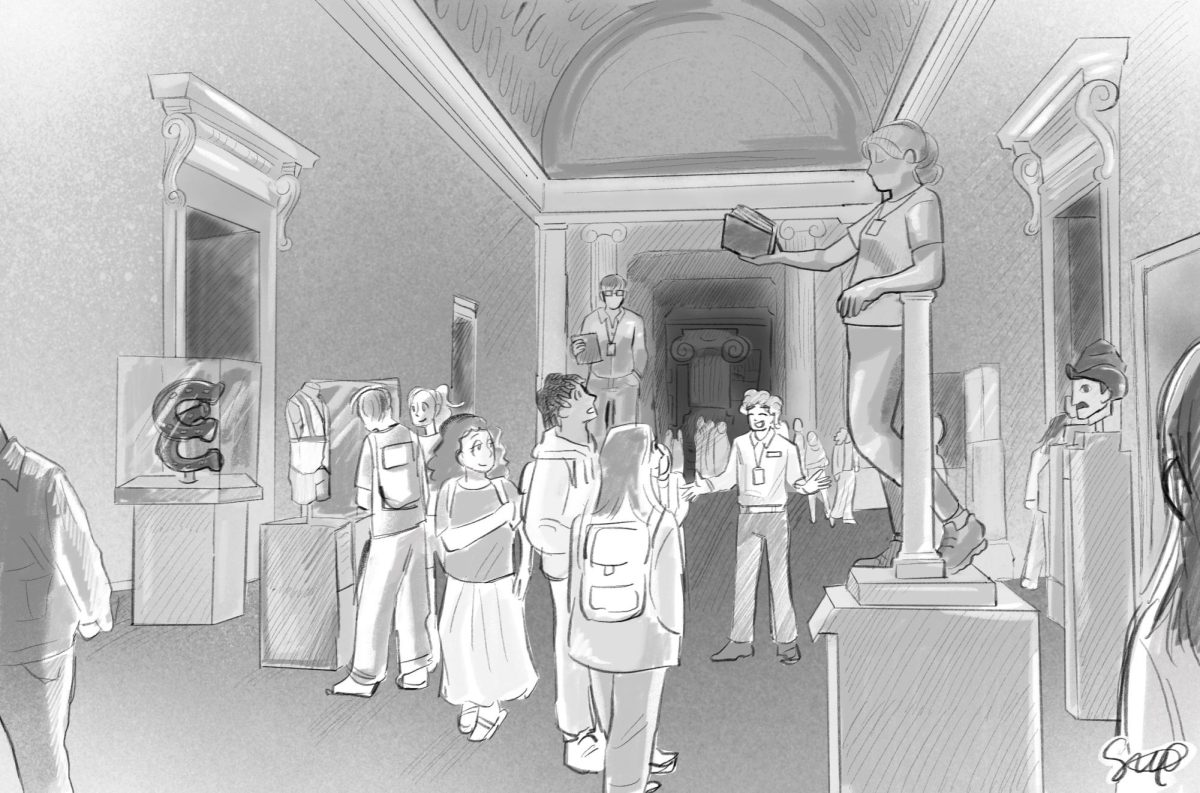
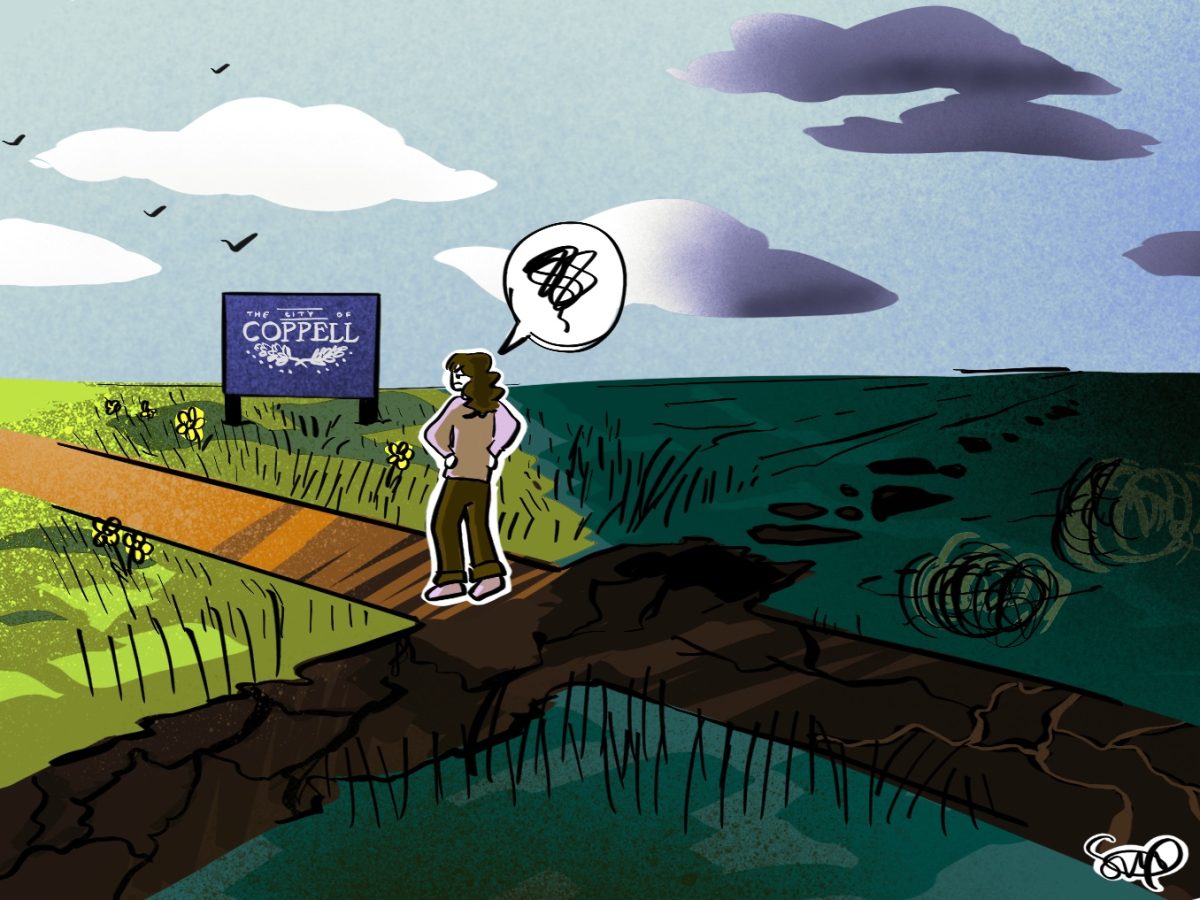
Somewhere between opening an assignment and actually starting it, students are stopped by a familiar pop-up: “Restricted Site.” The bright screen has become an almost constant companion in Coppell classrooms, turning a click into a mini obstacle course.
In the name of limiting distractions, a growing list of websites have been blocked or semi-restricted by Coppell ISD. Spotify, Gmail, YouTube and certain science resources now live behind a “Restricted Site” screen. According to the district, Spotify was removed for violating the Terms of Service.
While the intention may be to optimize learning, the filter fails to account for how modern classrooms actually function.
Academic resources caught in the crossfire such as Gmail and YouTube, face inconsistent restrictions across devices. Students lose time not because they are unfocused, but because they are playing whack-a-mole trying to troubleshoot access issues.
Teachers feel the impact as well. Many lessons are built around digital platforms and when those resources are suddenly restricted mid-year, teachers are forced to pivot. Some students are left to finish their work at home on personal devices, turning what should be in-class learning into homework. This shift wastes time and creates unfair disadvantages for students without access to personal devices outside of school.
Phishing emails are still an issue for Coppell ISD, and while addressing digital safety is necessary, broad restrictions have limited legitimate academic communication. With restrictions on sending emails to multiple recipients, student organizations face unnecessary obstacles in communicating and sharing information.
Students are encouraged to use technology for collaboration, research and communication, yet inconsistent access across school-issued devices undermines those expectations. A filter blocking unequally across platforms without clear, publicly communicated guidelines, does not support learning in a digital world.
In Coppell, we have access to technology that many school districts can only hope for. We should be grateful that our challenge is not the lack of technology itself but managing it, and understand that the district’s responsibility to protect students online is necessary. But protection should not come at the cost of instructional clarity and effectiveness, and the district needs clearer communication with students.
The frustration felt across campus is not about unlimited online freedom, but about consistency. Currently, the district uses a Technology Advisory Committee, which includes teachers and administrators, to review the usage of apps and websites. If restrictions are necessary, they should be intentional with academic use in mind.
By creating clearer, more uniform guidelines for website access across devices and grade levels and reviewing blocked sites for academic relevance, we can start treating technology as a tool rather than a threat.
Until restrictions are applied with transparency and consistency, they will continue to interfere with the education they are meant to protect.
Follow @CHSCampusNews on X.