Each year, the final bell rings to initiate freedom, discovery and sunshine adventure, a season of customary liberty. But now, for many students, the excitement of summer has been taken away, not from heat or boredom, but from a radiance on screens.
The increased use of smartphones, tablets and computers has dramatically changed how students spend their free time. Rather than cruising through neighborhoods, splashing in pools or creating sidewalk chalk paintings, many sit for hours indoors, looking at a screen.
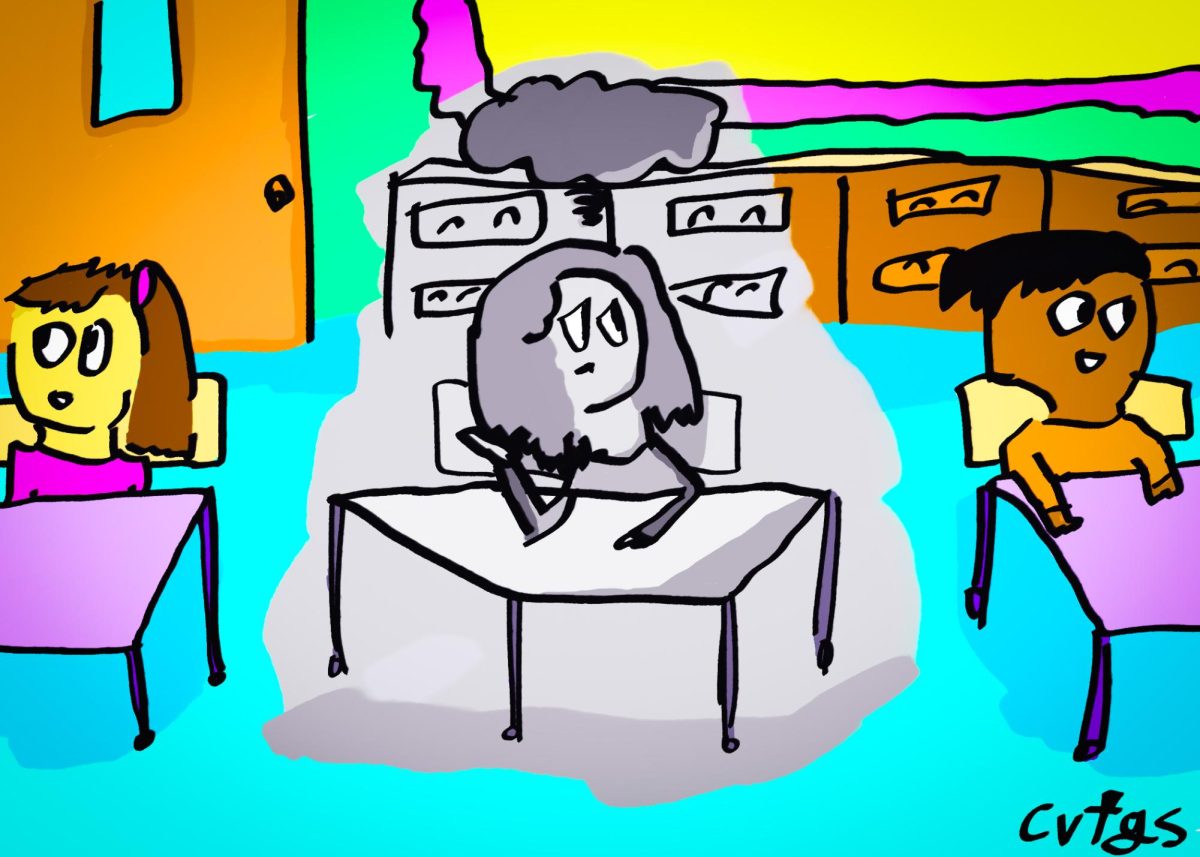
For Coppell High School junior LeeLadhar Nelloru, summer stopped being about escaping into nature — it’s about hiding from academic pressure.
“When I was a kid, I didn’t like summer heat because it meant staying inside,” Nelloru said. “Now, I love getting a break from schoolwork — but I’m on my phone too much as it is. It’s all about balance.”
That balance, however, seems more elusive in an age when all social interaction, entertainment is available at the click of a button.
However, the physical and emotional costs of pervasive connectivity are not easy to ignore. Students have more eye strain, decreased motivation and no face-to-face connection. Chaya Ingale, mother of two children in Coppell, lives with the aftermath.
“We spend more time looking at screens than we do looking at each other,” Ingale said. “It hurts our social lives. We miss opportunities to connect with our families and friends.”
Ingale thinks reducing screen time would bring back the best parts of summer — personal growth, passion projects and meaningful rest.
“With fewer distractions, we’d focus on what really matters,” Ingale said. “Even just an hour of screen time a day is enough.”
Though they disagree, they agree that the problem at hand is not the technology, but how it’s being used. Technology can be energizing, with increased academic value, creative potential, or even opportunities for seeking internships. Unchecked, however, it’s in danger of consuming the same break it was intended to supplement.
Summer, at its best, is a time to rest—not just digitally, but emotionally and physically, too. As digitization habits become more ingrained, recouping that rest will be a challenge. Whether a stroll outside, a dinner together or time working on a hobby, students can — and should — relearn the unplugged pleasures of summer.
Follow @CHScampusnews