The iPads load slowly, online storage is lower, phones are powered off, books shelves are covered and clubs have been cut.
Welcome to Texas where the laws keep coming.
These new laws can feel like a disruption in our daily and personal activities. Teachers, students and administrators are still working on adjusting to changes brought by legislation. There’s both positive and negative sentiments on the new laws.
When legislators do not consult the educators central to these laws, the effects are clearly visible. Media programs such as KCBY-TV, The Sidekick and Round Up yearbook are forced to adapt to bans on personal devices under House Bill 1481, which took effect in June 2025.
For example, students commonly utilized drawing tablets for art and personal computers for video editing. This was often because useful software is not available for download on school devices, meaning personal devices provided convenience. Under the new policy, students are forced to work solely on school-issued equipment. Since most of this equipment cannot be taken out of the classroom, excluding Coppell ISD issued iPads, students often cannot work at home anymore.
Coppell Speech and Debate is another example of a lack of nuance in these laws. Personal computers are often the sole devices that can be used most effectively in certain types of debate. In addition, it is a research heavy program, and school devices often block useful websites and tools for these purposes. Since students cannot plan, prepare and practice the same on school issued iPads, their performance can be affected in competition.
When used appropriately, these devices are not harming students: they have just been caught up in a fight against distraction.
Students now put their phones in a Faraday Cage that blocks communication. Yet, the technology is not perfect. When their phones still audibly rings on a Friday, the teacher is required by law to confiscate the device and turn it into administration for the weekend.
This plays out in more inconvenient ways, too. Wireless earbuds are banned, meaning students are forced to use wired headphones. Nothing life-ending, but definitely an unnecessary inconvenience.
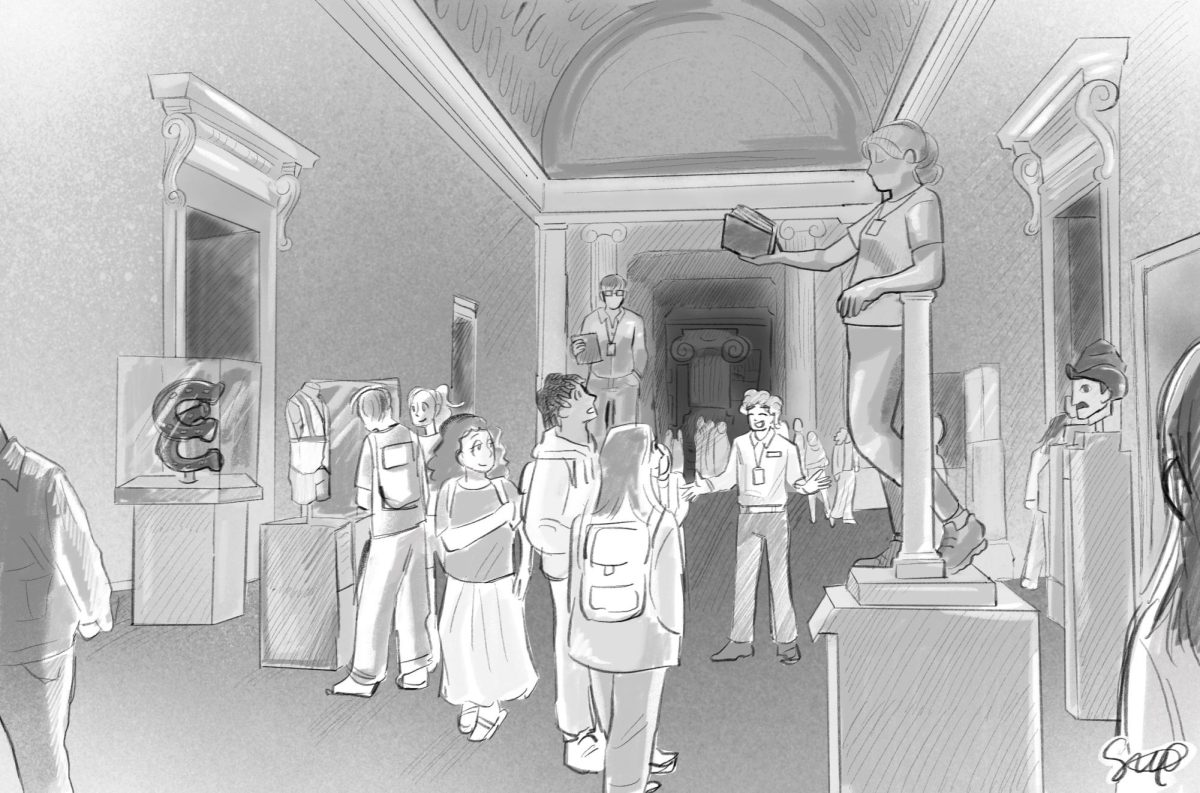
Yet, other laws are more harmful to the entire point of school: learning. Senate Bill 13, which took effect Sept 1, is intended to safeguard children from allegedly harmful, inappropriate and indecent books in school libraries. But in CISD, many teachers have simply covered classroom bookshelves so as to not be caught in the law’s details. The National Assessment for Educational Programs (NAEP) reports that reading skills are in decline: laws like this only worsen them.
There is no consequence for “over-enforcing” the law, but “under-enforcing” can be devastating.
Texas students are facing the removal of certain clubs in public schools across Texas, including identity-based clubs such as the Gay-Straight Alliance. Many of these organizations are the only support system that underrepresented students have.
If lawmakers had polled students, they would have seen how important it is to them.
We see the proof that phones are a distraction. We understand the thought process. We know the real world is here as soon as we step off the stage at graduation with a diploma in hand. The problem is, they do not account for real nuances in these laws, and that leads to reduced leniency.
If school educators, administrators and students themselves could have provided input, these laws would have been more digestible by the very people they affect.
The right voices are necessary. Polling teachers, faculty, principals, superintendents and students could have evened out these severities. Allowing them to testify during the legislative process, which is specifically intended to get their input into the halls of the legislature, could have prevented the unintended consequences of these laws. School administrators can shed light on the struggles they face with implementing a law, preventing them from occurring in the first place.
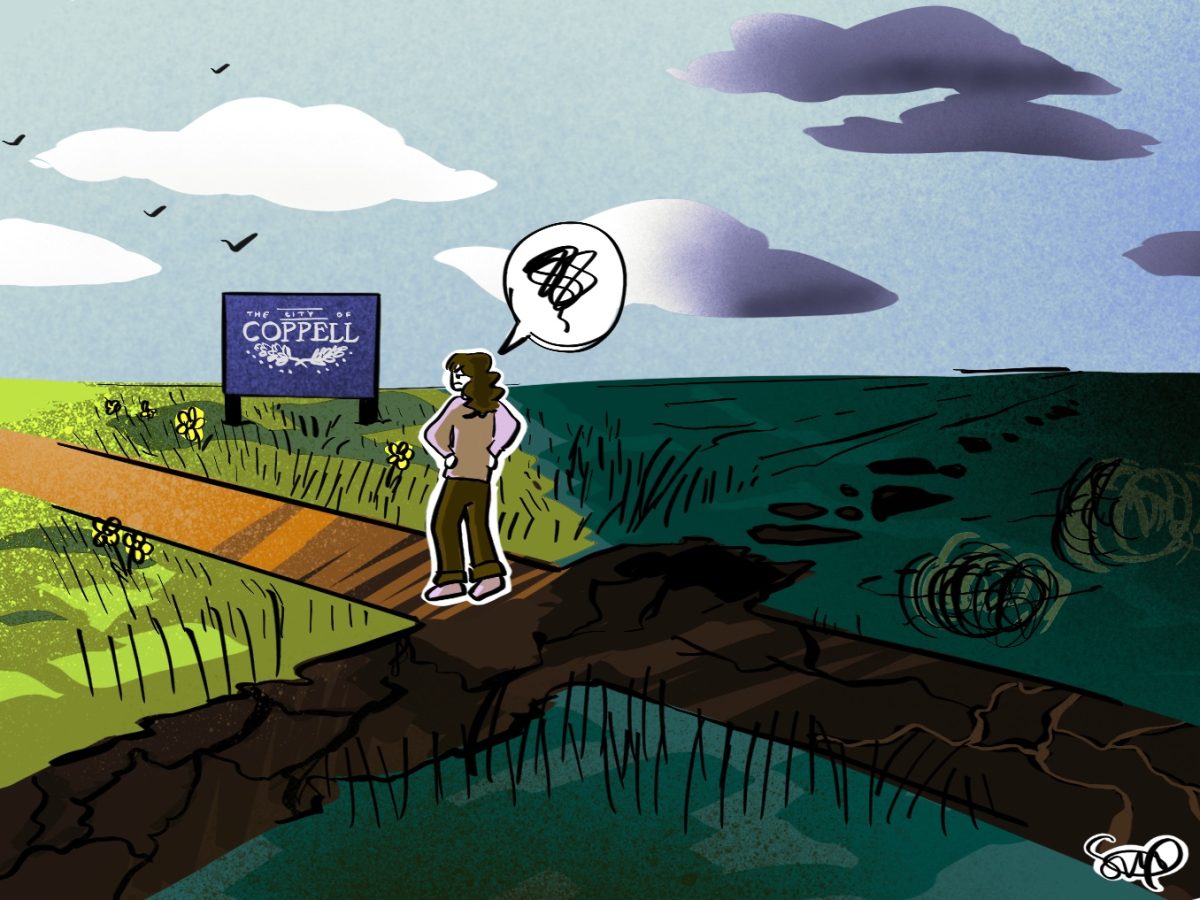
Texas is a highly diverse state: from towns of a few hundred to major metropolitan areas, no two schools in the vast state are the same. Laws that reach so deeply into school operations fail to account for the concerns of local populations. After all, the entire point of school boards is to tailor education to districts’ needs. When the state government strips that power from boards, our most vulnerable communities can be left out in the process.
Our representatives and senators need to listen to the constituents they affect, at the very least to iron out specific issues faced. As citizens, it is our duty to make sure they do.