Long weekends, holiday breaks or long vacations can deflect from a healthy sleep pattern. Bedtimes are pushed later, mornings stretch longer and the usual rhythm of school days fades away. Without the pressure of early alarms, the body naturally shifts into a relaxed schedule.
Upon returning to school after breaks, creating a flexible sleep schedule can become a struggle. Our bodies normally do not automatically adjust just because the calendar said “school starts tomorrow.” As a result, falling asleep early becomes difficult, waking up feels exhausting and the first few school mornings can feel like moving through fog.
This transition period is completely normal. The body likes consistency, and changes require time. When the sleep schedule shifts by hours during a break, a smooth reset is possible with gentle, steady adjustments such as setting out the clothes the night before or packing your bag early.
“I think your sleep pattern really gets thrown off and out of whack,” Coppell High School health science teacher Richard Harris said. “People really struggle getting up when they have to start going to school again.”
Small wins build real habits by prepping the night beforehand. By shifting your bedtime gradually by 15-20 minutes each night instead of jumping from 1-2 a.m. to 10 p.m. bedtime.
This helps the body grow into healthy, adaptive habits and reduces morning stress. Over several days, the earlier schedule begins to feel normal again.
Morning routines matter, too. Morning light signals the brain that it’s time to wake up and be alert. Exposure to sunlight helps reset the sleep cycle and makes earlier bedtimes easier over time.
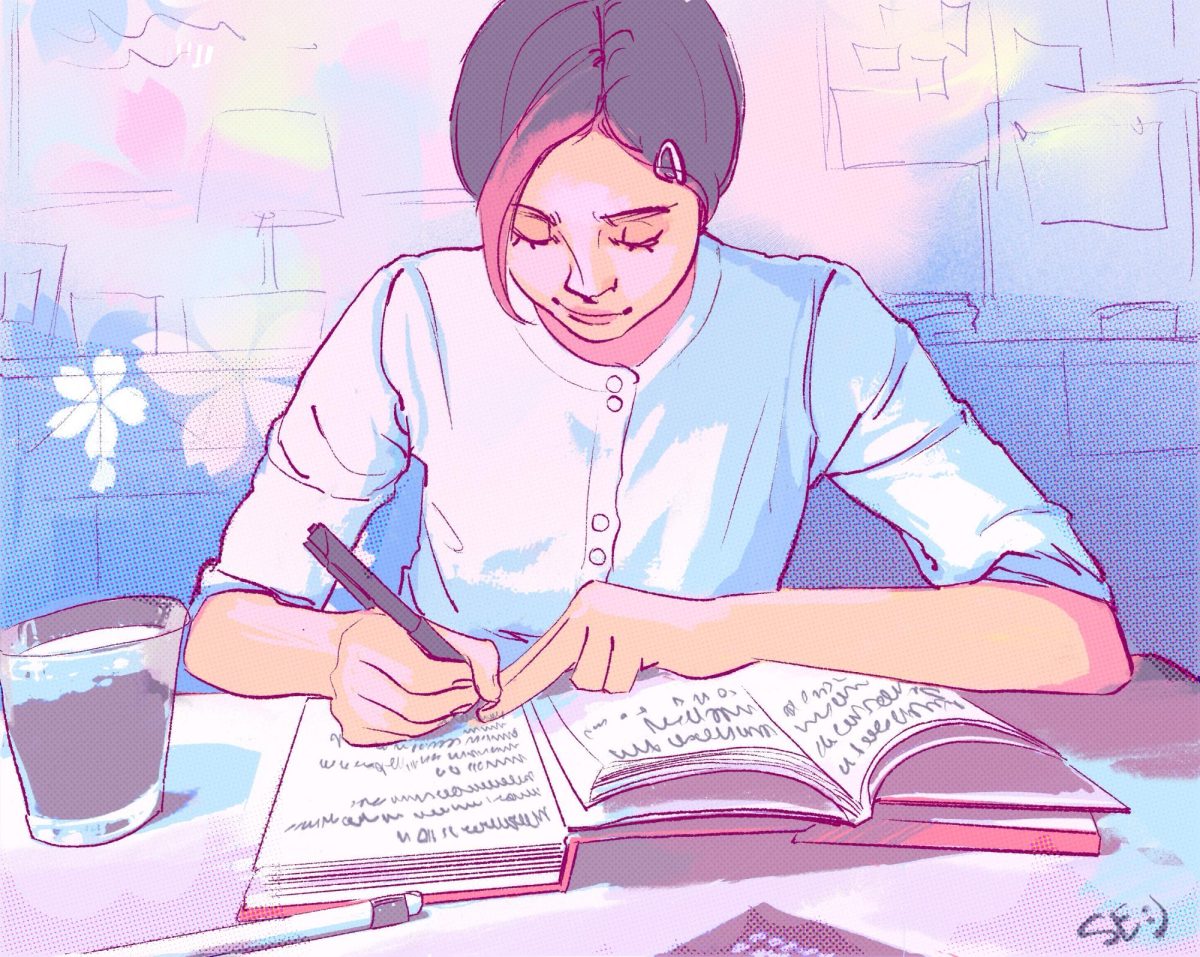
There are many creative ways to set a better bedtime routine, having the same short sequence every night to wind down with something to look forward to. Activities include showering, skincare, journaling, reading or even stretching. All of these signal your brain to become tired.
High school athletes construct a well thought out body clock with separating sleep, homework and their sport makes them more aware that they have to wake up earlier than most.
“A week before coming back to school, it is important to start working on your sleep schedule,” PE teacher and wrestling coach Chip Lowery said. “That is how your body handles stress going on that day”
Some may struggle with not using technology the last 30–60 minutes before sleep. Staying on your phone or electronics all night causes the bright lights and loud distractions to disrupt a normal and gradual rest time.
“If your phone is in the room with you and you put it on your nightstand, you are still thinking about it,” Lowery said. “At that point in the night, the only people who you need to get a hold of are the people already in your house.”
The exposure the brain gets from any technology screen can affect the mind. Many students, especially in this generation, are the first to have widespread access to screens, causing disruption not only in your sleep pattern but also disassociating from reality.
”Your health declines because the brain does not recuperate properly and that throws off your hormones” Harris said. ”The body does not replenish or recuperate properly because of this and it really makes everything else more difficult.”
The shift from break to school schedules is a transition that requires patience. A late sleep routine does not immediately disappear, but can strengthen with gentle adjustments.
Follow @CHSCampusNews on X.