I sigh as I am begrudgingly hauled away by my parents to another family function with people I barely know. In other words, 7-year-old me’s definition of a painfully mediocre evening.
But, fret not, there is a silver lining. To the likely dismay of my parents, a glossy paperback edition of Life of Pi by Yann Martel rests in my hands. My night is salvaged.
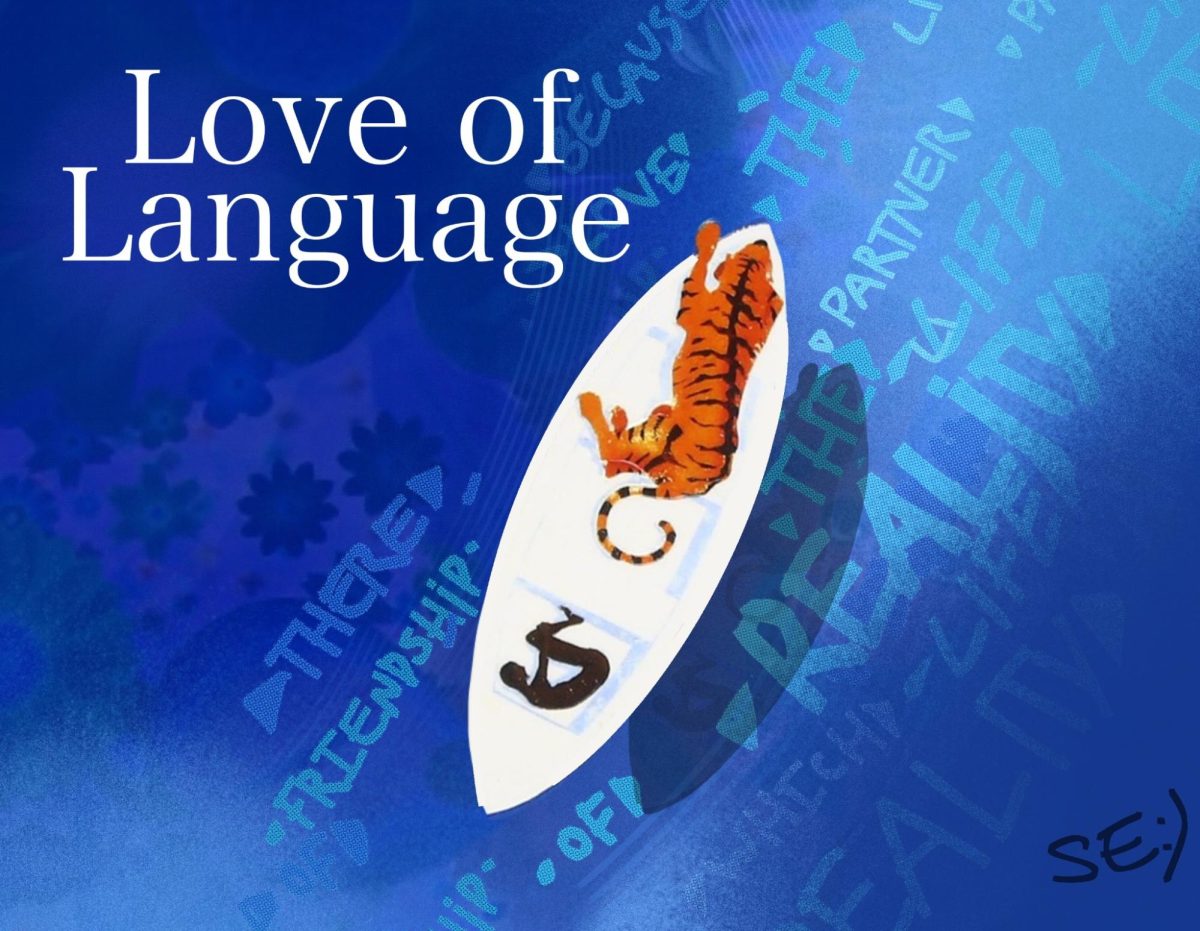
Of 2001, Life of Pi is a philosophical adventure novel with a peculiar premise. What if you trapped an Indian teenager on a lifeboat with nothing but a 450-pound bengal tiger for 227 days?
If you have ever gone to an event and wondered who the loser in the corner reading a book is: Hi! Nice to meet you.
Reading has always been incredibly important to me. When I think back to my childhood, most of it revolves around books. Long car rides with Tintin novels by Hergé, summers spent inside Valley Ranch Library and thumbing through my family bookshelf looking for a book I hadn’t already exhausted.
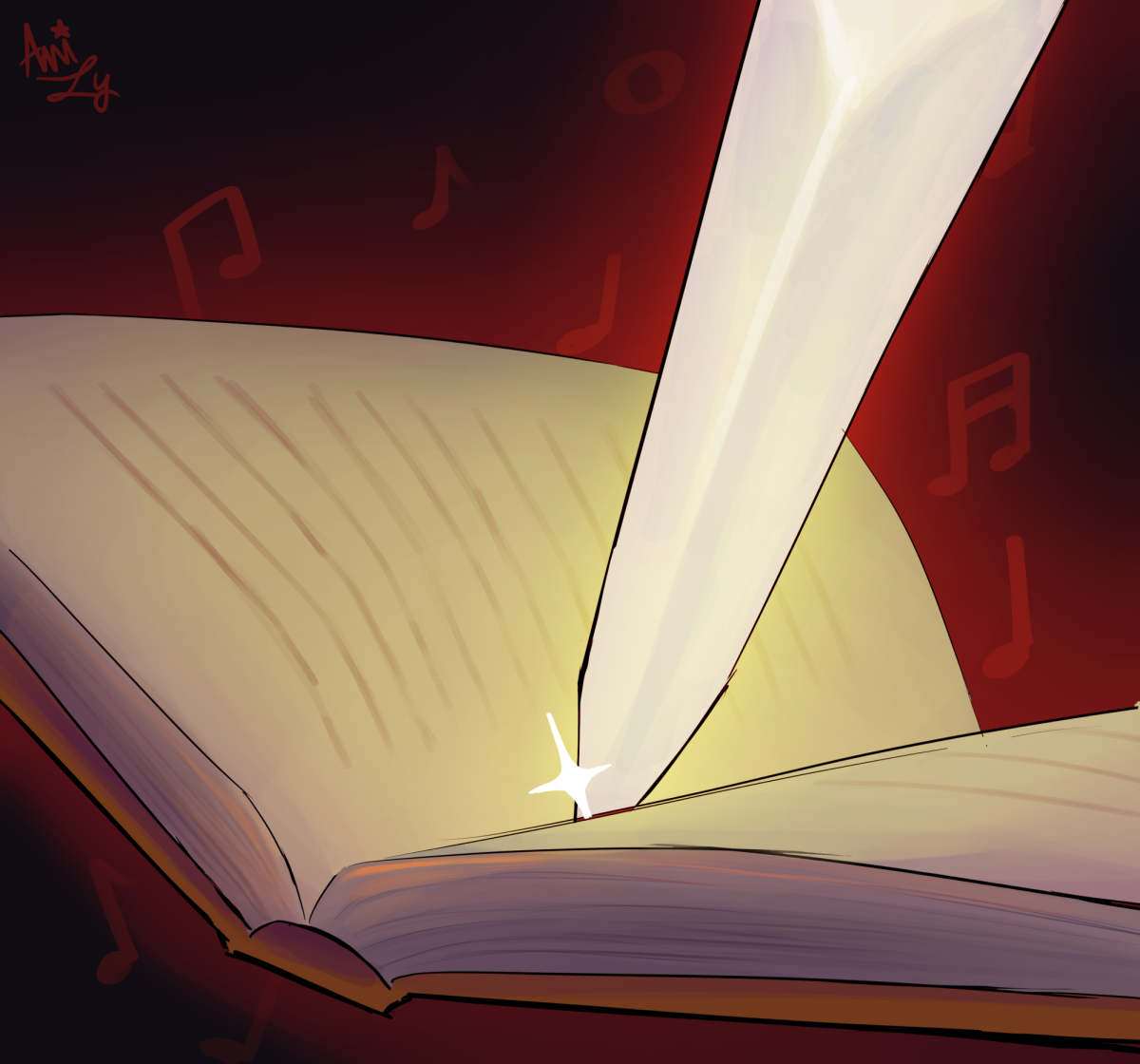
And of the great firsts in my literary life, Life of Pi is the one I hold most dear. It is the first real novel that elevated what reading means to me. It ignited a craving in me for more rich, expansive books that leave you with more than just words.
I have used it for all my English choice projects since fourth grade. I have read other Martel novels, gravitated by the writing style that consistently captivates me. It is also the book that started the “No reading at the dinner table” rule in my family.
If you had to ask me what it is that makes Life of Pi so special to me, my answer might change from day to day.
Maybe I would tell you about the tactful dissection of religion or the random dissertation about zookeeping in the epilogue. Maybe I would tell you about the vivid, contemplative imagery that illuminates the folly of human survival. Maybe I would tell you about the complicated feelings of unresolved grief, the identity of immigration and the element of choice given to readers.
But more than likely, I would tell you how Life of Pi is a book that will make you believe in belief.
“I have a story that will make you believe in God.”
This is one of the first lines in the novel. No, this column is not about God. I am not the most religious person in the world, and what makes this book so beautiful is not God. I am speaking of belief in the purest sense of the word.
I am speaking of the innate, human beauty of belief. How, when faced with hardship, choosing to believe in a better story helps people persevere. It is a deeper truth about life, and is underscored by Martel’s elegant weaving of the English language and the choice that readers are given in their own understanding of the story. Words falter.
Every time I reread Life of Pi, I find more to appreciate, and take something with me I can carry into my own life.
I have it to thank for setting me onto a love for language, a passion for writing, joining The Sidekick, becoming an editor, minoring in journalism and a mindset of belief that I hope continues to follow me through my life.
I am already waiting for my next reread; I hope you, you first.
Follow @CHSCampusNews on X.