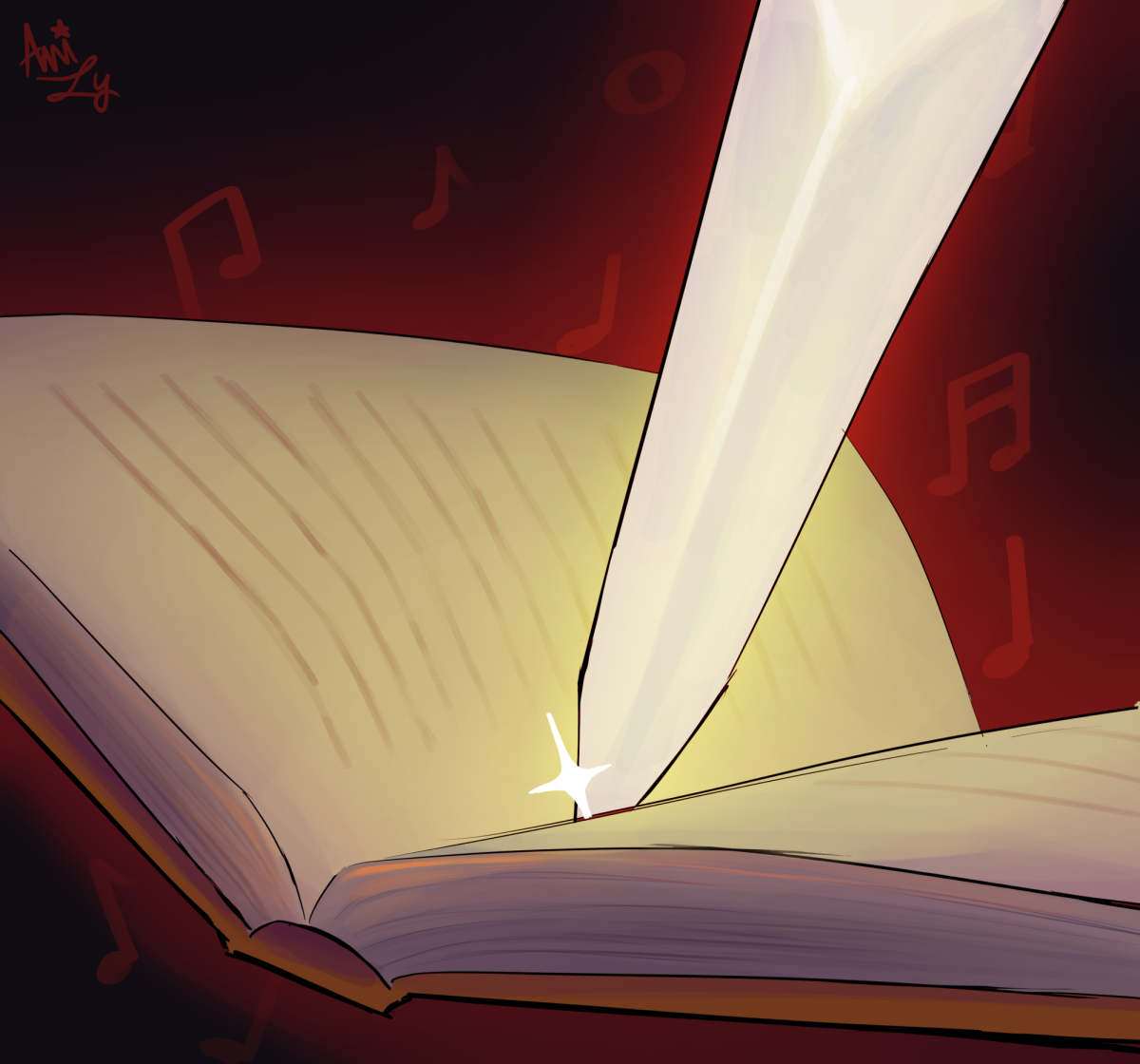
It seems like every time I step into a bookstore, there are more and more books with a cover sticker reading “soon to be a major motion picture.” Somewhere along the way, it feels like books are no longer just read for the story on the page, but are an advertisement for what might appear on the big screen.
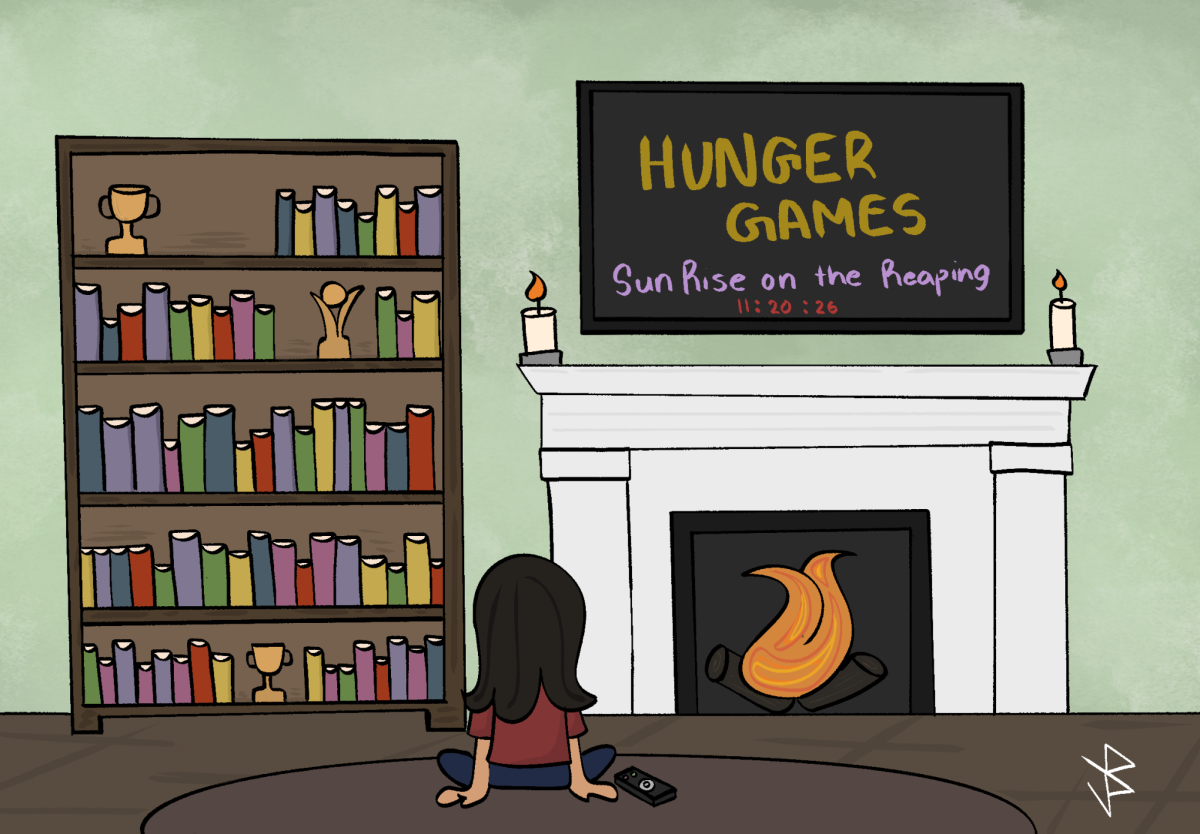
While there have been some great book to movie adaptations, such as The Hunger Games or Project Hail Mary, small details get lost in film that made the book special in the first place.
Sometimes the adaptation is not inherently bad, but it changes the experience of the novel. Reading allows a person to imagine themselves in a world with dragons or magic, or whatever they want. So when it becomes an adaptation, they lose out on the reading experience all together.
A book allows the reader to use their own imagination and see the setting and the characters however they see fit. When a book is adapted, movies limit that freedom. People have to reform their own narrative to fit the narrative of the filmmakers. Budgets and time restrictions may cause plotlines to be simplified or characters getting cut out of the film.
As a reader myself, I think adaptations are great in how they can encourage people to read. They may watch a film or TV show and get intrigued into finding out where it originated from or what it is inspired by. But, it also raises the question: Why would someone spend weeks reading a book series when they could watch a version that is already streaming?
In a time when reading is declining among teenagers, stories that are consumed quickly through film do not allow readers to connect and think deeply about plots and meanings behind the works.
There is a pressure on authors to write an adaptable book rather than a well thought-out piece. The structure of the book falls when it is built as a script. The new culture around media changes the narrative of writing a good book to writing the beginning of a franchise.
When filmmakers are rushed, the movie ends up seeming unorganized and illogical. In the adaptation of The Giver, scenes were added that were never in the book and it felt like it lost some of the psychological and emotional depth it had in the book. Inherently, it is a decent movie, but without the right storyline production, it can fall flat.
Popular books are more likely to be adapted into a film, as it keeps the studios relevant and feeds into the consumerism trend. The Summer I Turned Pretty TV show took an amazing book, and left out key details that made readers wonder how the script to screen adaptation was made.
BookTok and social media platforms play a role in this, as many “popular” books are influenced based on what creators on the internet say is the newest fascination.
In a world where technology and screens dominate the world, storytelling loses the ability to capture the reader. Not every success book needs to be adapted because stories are powerful on their own page.
Follow @CHSCampusNews on X