



As the girl reaches for the hanger, a bright-colored hijab slides off. She slowly wraps it around her head, safety pins piercing the fabric.
World Hijab Day is celebrated on Feb. 1. It was started in 2013 by Bangladeshi-New Yorker Nazma Khan in hopes to invite women from all faiths to honor the hijab by trying it on.
Growing up in New York City, Khan experienced much discrimination when wearing the hijab to school, especially post 9/11. Although not an official religious holiday, more than 140 countries celebrate and recognize this holiday worldwide.
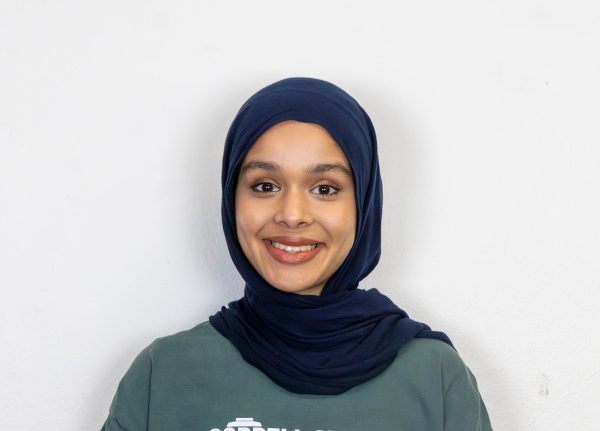
“My favorite thing about this day is that it celebrates something that is widely misunderstood by nonmuslims, creating awareness about the true meaning of hijab. World Hijab Day is a great opportunity for Muslim women to embrace and appreciate the hijab and celebrate the unity it creates for women,” Coppell High School sophomore Amina Mohammed said.
For many Muslims women globally, the hijab is easier to start wearing when it is normalized in the community around them. Different cultures may also influence the hijab, as the norm in some cultures is to dress modestly.

“Everyone around me wore it my whole life, so it was normal for me to wear it when I was young. My mom, my community, the people around me, and the muslims at my school inspired me to wear it,” junior Sabrin Ali said. “Other than my religion, it is also normal in my culture for people to wear it, even when they are young. It’s something that I’ve done my whole life; it’s a part of my identity and who I am.”
While the idea of fitting into society is common, many do not feel this pressure of assimilating.
In the diverse culture of America and Coppell High School itself, it might even seem difficult to fit in, as there are many different religions, ethnicities, and clothing styles. With about 78% being minority enrollment at Coppell High School, it may be difficult to decipher what mainstream culture is.
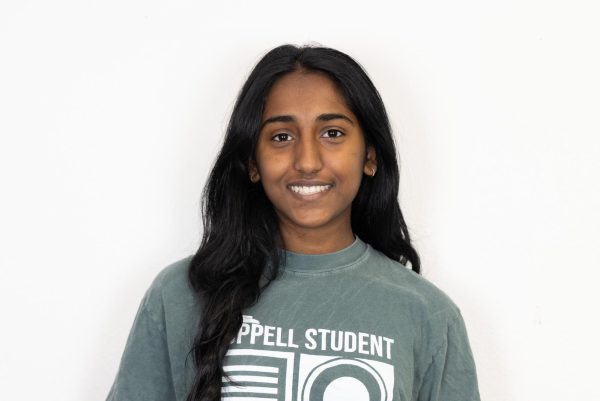
“My favorite thing about the hijab is being recognized as a Muslim and getting to dress up and wear different hijabs that I feel beautiful in,” sophomore Naira Chowdhury said.
Just like the multilayered cloth that is the hijab, the meaning of it is also a multilayered concept that is often overlooked.
To many, hijab is more than just a piece of clothing. It is a symbol against objectification and western societal norms. It represents a form of submission and dedication to God and Islam.
“I love that the hijab does not focus on a woman’s appearance, empowering people to look beyond society’s idea that we should simply be beautiful. It helps people notice a woman’s capabilities and accomplishments, allowing us to be viewed for our intellect and inner selves, not just our outward appearance,” junior Zaina Tauqeer said.
Follow @CHSCampusNews on X




Jay Vernekar • Feb 13, 2026 at 5:37 pm
Great read Yusra!
Nusaybah • Feb 12, 2026 at 6:20 pm
So informative!!!
Maanha Mahmood • Feb 12, 2026 at 5:12 pm
Mashallah very nice and elegant